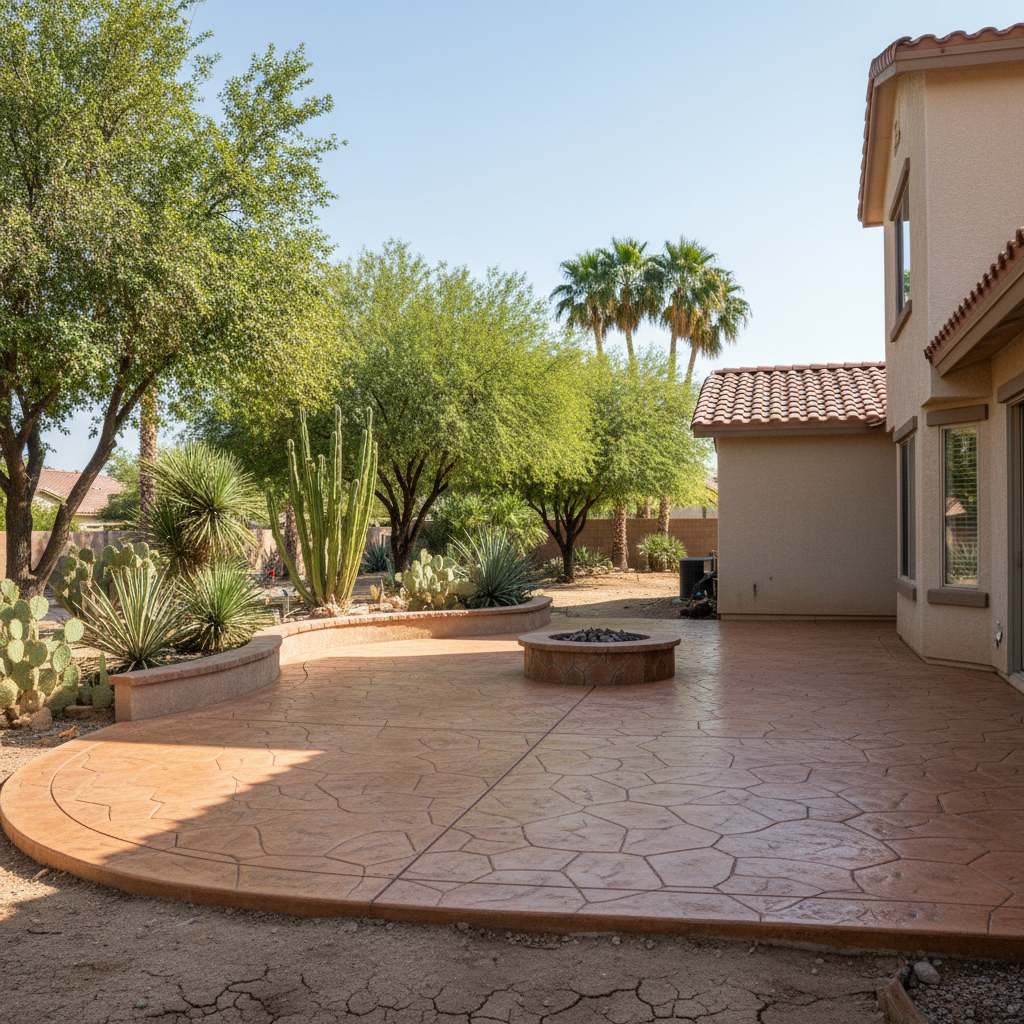
Alright, let's talk concrete here in Glendale. You're probably looking to upgrade your home with a new patio, driveway, or maybe some fresh walkways, and that's a smart move. But living in the Valley of the Sun means you can't just call up a crew and pour concrete whenever the mood strikes. Our weather, from those scorching summers to the mild winters and surprise monsoons, really dictates how your concrete turns out and, more importantly, how long it lasts. You've got to consider the seasons, and I'm here to tell you how we handle it at Kingdom Concrete Glendale.
When's the Best Time to Pour Concrete in Glendale?
Honestly, the ideal times for concrete work in Glendale are fall and spring. Think September through November, then March through May. Why these windows, you ask? Because the temperatures are usually just right — not too hot, not too cold. Concrete cures through a chemical reaction, and that reaction needs a stable environment to happen properly, you know?
- Fall (September-November): This is often considered the sweet spot. Temperatures typically hover between 70-90°F, which is perfect for controlled curing. Humidity is usually low, and we're past the peak monsoon season, so fewer surprises pop up.
- Spring (March-May): Another great option. The weather is mild and stable then. You get good curing weather and less risk of heat-related issues before the summer really kicks in.
These milder seasons allow the concrete to set slowly and evenly. That's key for strength and preventing cracks.
Dealing with Glendale's Extreme Weather
Now, I know sometimes you can't wait for the perfect season. Life happens, and projects just need to get done. So, what do we do when it's not prime pouring weather?
Summer Heat (June-August)
Our summers are no joke. Temperatures regularly hit over 110°F, sometimes even 120°F. This extreme heat makes concrete cure too rapidly, which can lead to surface cracks and compromise how long it lasts.
- Early Bird Gets the Pour: If we have to pour in the summer, we're starting before the sun even thinks about rising, often between 3-6 AM. This takes advantage of the coolest part of the day and reduces rapid moisture loss.
- Special Mixes & Additives: We use specific concrete mixes designed for hot climates, sometimes with additives like set retarders to slow down the setting time. We might even use chilled water in the mix to keep the concrete cooler.
- Curing is Critical: In this dry heat, continuous moist curing is absolutely essential. We'll fog-spray and cover the concrete for days to keep it from drying out too fast. Premature drying? That's a crack waiting to happen.
- Shade and Wind Barriers: Sometimes, we'll even set up temporary shade structures or wind barriers. These protect the fresh concrete from direct sun and wind, which can really speed up drying.
Winter & Monsoon Season
You might think winter is easy, but it comes with its own challenges. While Glendale doesn't see much freezing, those rare cold snaps can still affect new concrete. If temperatures drop below 40°F, the curing process slows way down. And if it freezes, water in the concrete can expand and cause damage.
Monsoon season, typically late June to early September, brings sudden, heavy downpours. Rain can weaken the concrete mix if it hits before the concrete has properly set.
- Protecting from Cold: If a cold snap is expected, we use concrete blankets to maintain a consistent temperature, keeping the concrete between 65-85°F to ensure it cures properly.
- Watching the Forecast: We always keep a close eye on the weather forecast. You need at least 2-3 days of clear, dry weather after a pour for the concrete to set correctly.
- Drainage is Key: Especially during monsoons, proper site preparation and grading are crucial. This ensures water drains away from your concrete, preventing issues like flash flooding around areas like Thunderbird Mountain.
Protecting Your Concrete Investment Year-Round
Once your concrete is installed, your job isn't quite done. Glendale's climate, with its intense UV exposure and temperature swings, means you need to take steps to protect your investment.
- Seal it Up: This is non-negotiable. A high-quality sealer protects against UV rays, moisture, and wear. Our intense sun degrades sealers faster here than in cooler climates, so plan to reseal every 2-3 years, not the 5-7 years you might hear elsewhere.
- Clean Regularly: Keep your concrete clean from dirt and debris. This prevents staining and reduces the chance of abrasive materials damaging the surface.
- Address Cracks Promptly: Even with the best installation, minor cracks can happen. Don't ignore them. Small cracks can become big problems if water gets in, especially with our caliche soil expanding and contracting.
- Consider Cool Coatings: For patios and pool decks, especially, cool deck coatings or heat-hardy epoxy systems can make a huge difference. They reflect UV rays and keep surfaces cooler, making them much more comfortable to walk on in our scorching summers.
Understanding Glendale's climate and how it impacts concrete is essential for a long-lasting, beautiful result. When you're ready for your next project, give us a call. We know these challenges inside and out, and we're here to make sure your concrete stands strong for decades.