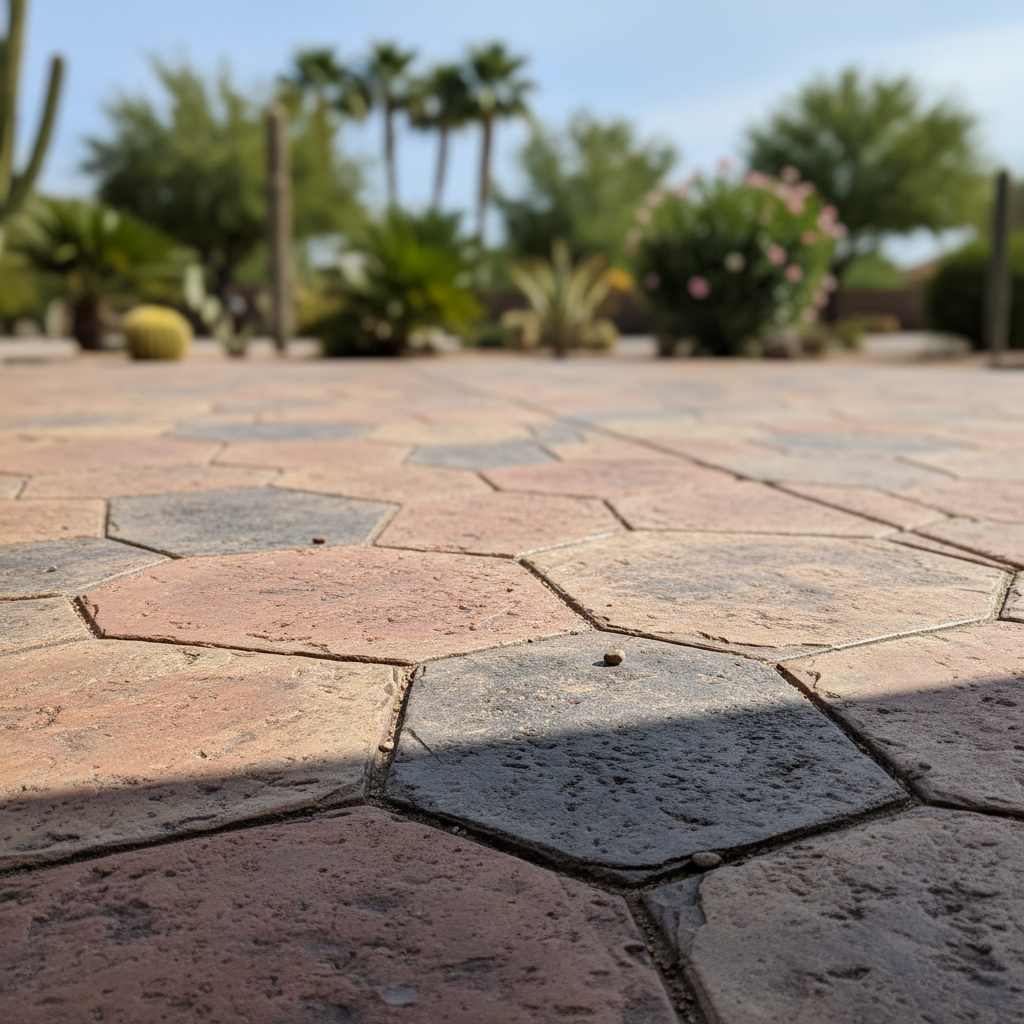
So, you're thinking about sprucing up your place with some decorative concrete, right? That's a really smart move. It's an awesome way to boost your Glendale home's curb appeal and make it more functional, whether you're dreaming of a new patio, a refreshed driveway, or even a cool indoor floor. But before you jump in, let's chat about what you need to know to make sure your project goes off without a hitch and looks fantastic for years.
Before You Start: Planning & Expectations
First things first: what kind of look are you actually going for? Decorative concrete isn't just one thing; it's a whole universe of choices. You’ve got stamped concrete, for example. It can totally look like natural stone, brick, or even wood planks – super popular for patios and walkways. Then there's stained concrete, which uses special chemical stains or dyes to give you rich, see-through colors. Or maybe exposed aggregate is more your style? That's where we wash away the top layer of cement to show off the beautiful natural stones mixed in. Each option has its own vibe, and yep, its own maintenance needs too.
Really think about where this decorative concrete will go. Is it a spot with tons of foot traffic, like a driveway, or a more protected area, say, a back patio? That makes a difference for how durable it needs to be and what kind of finish will work best. And don't forget our Glendale weather! Those scorching summers and the occasional monsoon downpours mean your concrete absolutely has to handle big temperature swings and moisture. This is especially true because of our expansive clay soils, which can shift around when moisture levels change, putting stress on concrete. It's a real thing here.
Now, about doing it yourself. Can you tackle decorative concrete on your own? For super small, simple stuff, maybe. If you're just adding color to a tiny, existing slab with a dye or stain, and you're really careful, you might pull it off. You can even find DIY kits for things like concrete coatings or small exposed aggregate projects. But here’s the honest truth: concrete work, especially the decorative kind, is both an art and a science. Getting the mix just right, compacting it properly, making sure the slope is perfect for drainage, and achieving a flawless finish – that takes serious skill and specialized tools. Mess up the water-to-cement ratio, for instance, and you could end up with faded color and spalling concrete pretty fast. Plus, if you botch it, fixing it can cost more than just hiring a pro in the first place. For anything bigger than a tiny, non-structural patch or a simple color refresh, calling someone like us at Kingdom Concrete Glendale is usually your best bet. We've seen too many DIY attempts turn into expensive headaches, believe me.
During the Project: What to Expect from Pros
When you bring in a professional, you're not just paying for someone to do the work; you're paying for their know-how. We'll handle all the site prep, which is absolutely crucial, especially with Glendale's tricky soils. That means proper excavation, getting things level, and compacting the sub-base just right. We'll also make sure the forms are built correctly and that there's enough reinforcement, like rebar, if it's needed.
For decorative concrete, the timing of the pour and when we apply those decorative elements is super important. With stamped concrete, for example, we have to press the patterns into the fresh concrete at precisely the right stage of setting. For stained concrete, preparing the surface is key to making sure the stain soaks in evenly. We also use top-notch materials and sealants specifically designed to hold up against our desert climate. This isn't just about making it look good; it's about making it last, period.
A good contractor will also plan for expansion joints. These aren't just random cuts, you know? They're placed strategically to let the concrete expand and shrink with temperature changes without cracking. This is especially important here in Arizona, where temperatures can swing 30-40 degrees in a single day. Wild, right?
After the Project: Keeping it Looking Great
Okay, so your new decorative concrete is in, and it looks amazing. Now what? Keeping it that way really depends on good maintenance. You'll want to keep it clean. For outdoor surfaces, sweeping or vacuuming regularly to get rid of dirt, sand, and leaves is a great start. For indoor decorative concrete, a daily dry mop with a microfiber pad helps pick up dust and debris that could scratch the surface.
When something spills, clean it up fast. Use warm water and a pH-neutral cleaner for damp mopping. Stay away from harsh chemicals like bleach, ammonia, or anything with high phosphates; they can actually damage the finish and sealer.
Resealing is probably the most critical maintenance step for decorative concrete, especially outdoors. The sealant protects against UV rays, moisture, and everyday wear. Most experts suggest resealing outdoor decorative concrete every 18 to 24 months, or every 2-3 years, depending on how much traffic it gets and how much sun it sees. Before resealing, the surface needs a thorough cleaning, sometimes even a pressure wash (but not too high a PSI, as that can damage the aggregate surface). Just make sure the surface is completely dry before you put on new sealant.
A few other pointers: try not to use metal shovels on colored or stamped concrete, and if you have outdoor furniture, put down rugs underneath to prevent scratches. Oh, and please, don't use de-icers or salt on your decorative concrete, even if we get that rare freeze; they can really break down the protective seal.
Decorative concrete is a fantastic investment for your home. With the right planning and just a little ongoing care, it'll stay sharp and serve you well for many years. If you're ever unsure about a project or need a hand, don't hesitate to give Kingdom Concrete Glendale a call. We're always here to help you get it right.